Washed, honey, natural. For years, those three words were enough to describe how a specialty coffee is processed. Today they aren't. The map has expanded, and for a professional buyer, it's worth understanding when each process happens — because that timing is what really sets them apart.
The three base processes
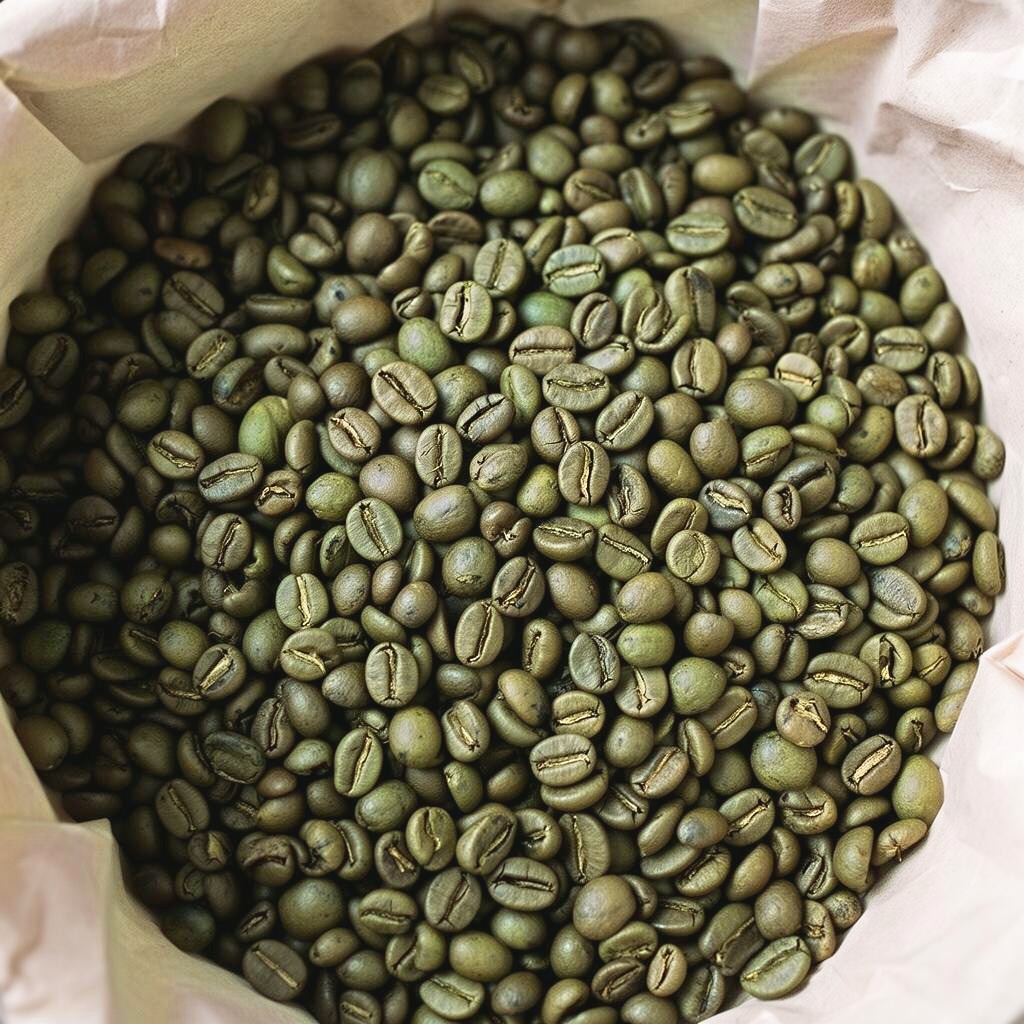
In a washed process, pulp and mucilage are removed before drying, through varying combinations of fermentation, washing, or mechanical removal. In honey processing, part of that mucilage is retained during drying. In natural processing, the cherry dries whole, with all its pulp intact. All three are part of post-harvest processing and take place before the coffee reaches the dry, green state in which Quercus begins its maturation processes.
Contemporary processes — and a different point for Quercus
In what is commonly referred to as co-fermentation, external substrates, ingredients, or substances are deliberately introduced during fermentation — for example fruit, pulp, musts, or other inputs — to influence profile development. The relevant distinction isn't the origin of those elements, but that they are deliberately introduced during fermentation.
Quercus operates at a different stage. Both Noble Cask barrel maturation and Botanical Maturation begin after post-harvest processing, once the coffee is already dry and green. We don't co-ferment the coffee. We mature it.
Two architectures, one shared starting point
In the Noble Cask Series, already-processed green coffee matures inside oak barrels associated with profiles such as rum, whiskey, amaretto, and tequila. During maturation, aromatic transfer occurs through contact, porosity, and time. No flavorings, essences, aromas, or additives are added directly to the coffee.
In the Botanical Maturation Series, green coffee matures through a proprietary process involving fruits and botanicals, also after post-harvest processing and distinct from co-fermentation. As with Noble Cask, no artificial flavorings or additives are used. The operational details of this process are proprietary to Quercus and aren't disclosed publicly — what is public is the principle behind it: the coffee is already dry and green before the process begins.
Why the timing matters to a buyer
At Quercus, starting with coffee that's already dry and green makes it possible to apply a control architecture defined specifically for each series and profile. Consistency is then built through raw material specifications, protocols, traceability, variable control, and sensory validation.
For a roaster, importer, or distributor, this translates into something concrete: the ability to reorder a profile developed under a defined protocol and validated lot by lot to sustain a consistent identity.
What comes next
We've covered when each process happens. The next step is understanding how, within barrel maturation, a single principle sustains profiles as distinct as Ron, Whiskey, Amaretto, and Tequila — which is exactly the subject of our next article.
How the Barrel Shapes Sensory Profiles →
Want to explore Quercus's eight profiles, organized across its two process architectures?